
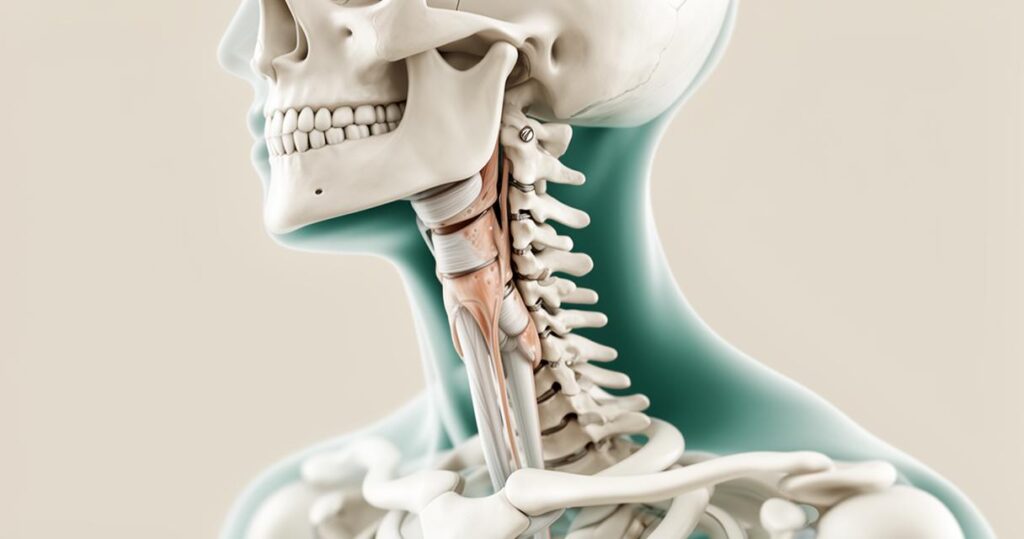
Cervical discopathy is a condition that touches the lives of many individuals, often manifesting as persistent neck discomfort or limitations in daily activities. While traditional interventions remain a cornerstone of care, there is a growing recognition of alternative and conservative approaches that address the root causes and symptoms of disc disease in the neck. Understanding how the cervical spine functions, what leads to disc deterioration, and which non-invasive methods can offer relief empowers individuals to take an active role in their wellbeing. This exploration aims to shed light on the nature of cervical discopathy, its underlying factors, and the diverse treatment pathways available beyond conventional surgery.
- Cervical discopathy involves the deterioration of intervertebral discs in the neck, causing pain and functional impairment for a significant portion of the global population.
- The structure of cervical discs, composed of an outer annulus fibrosus and a gel-like nucleus pulposus, is essential for spinal flexibility and shock absorption.
- Common symptoms of this condition include localized neck pain, headaches, and radiating discomfort or numbness in the arms caused by nerve compression.
- Degeneration is a natural part of aging, often accompanied by osteoarthritis, which reduces disc hydration and increases pressure on adjacent vertebrae.
- Modern lifestyle habits, such as poor posture and prolonged smartphone use, significantly increase the mechanical load on the cervical spine and accelerate disc wear.
- Adopting proactive lifestyle modifications and exploring non-invasive, conservative treatments can help manage symptoms and prevent further spinal deterioration.
What is cervical discopathy and how does it affect your neck?
Cervical discopathy refers to a range of disorders affecting the intervertebral discs situated in the neck region of the spine. These discs act as cushions between the vertebrae, absorbing shock and allowing smooth, flexible movement of the head and neck. When the integrity of these discs is compromised, whether through degeneration, injury, or herniation, the result can be significant discomfort and functional impairment. The condition is notably prevalent, with cervical degenerative disc disease recognised as a common cause of chronic neck pain, accounting for approximately 14.6% of musculoskeletal complaints worldwide. This statistic underscores the widespread nature of the issue and highlights the importance of informed approaches to managing symptoms.
The Anatomy of Cervical Discs and Their Role in Spinal Health
The cervical spine comprises seven vertebrae, with intervertebral discs positioned between each pair. Each disc consists of a tough outer layer known as the annulus fibrosus and a gel-like core called the nucleus pulposus. This structure is designed to provide both support and flexibility, enabling the neck to withstand various stresses encountered during everyday activities. Over time, cervical discs can degenerate, losing hydration and elasticity, which directly contributes to pain and reduced mobility. As the discs lose their natural cushioning properties, the vertebrae may begin to rub against one another, leading to inflammation and nerve compression. This process is gradual and often linked to age-related wear, though other factors can accelerate deterioration. Understanding this anatomy is essential for appreciating how disc disease develops and why maintaining disc health is crucial for overall spinal wellbeing.
Common Symptoms: From Neck Pain to Radiating Discomfort in the Arms
Individuals with cervical discopathy typically experience a spectrum of symptoms that can vary in intensity and location. The most common complaint is neck pain, which may be localised or spread to the upper back and shoulders. In some cases, the discomfort radiates down into the arms, accompanied by sensations of numbness, tingling, or weakness. These radiating symptoms occur when a herniated or bulging disc presses against spinal nerves, a phenomenon known as radiculopathy. Persistent headaches are another frequent manifestation, often stemming from muscle tension and nerve irritation in the cervical region. The pain may be exacerbated by certain movements or positions, such as looking down at a smartphone or sitting at a desk for extended periods. Recognising these symptoms early and seeking appropriate care can prevent further deterioration and improve quality of life.
Root causes and risk factors behind cervical disc disease
The development of cervical discopathy is multifaceted, with a combination of biological, lifestyle, and environmental factors contributing to the onset and progression of the condition. While ageing is a natural contributor, many modifiable risk factors can either mitigate or worsen disc health. A comprehensive understanding of these causes enables individuals to adopt preventive strategies and make informed decisions about their daily habits.
Degenerative changes, osteoarthritis, and age-related wear
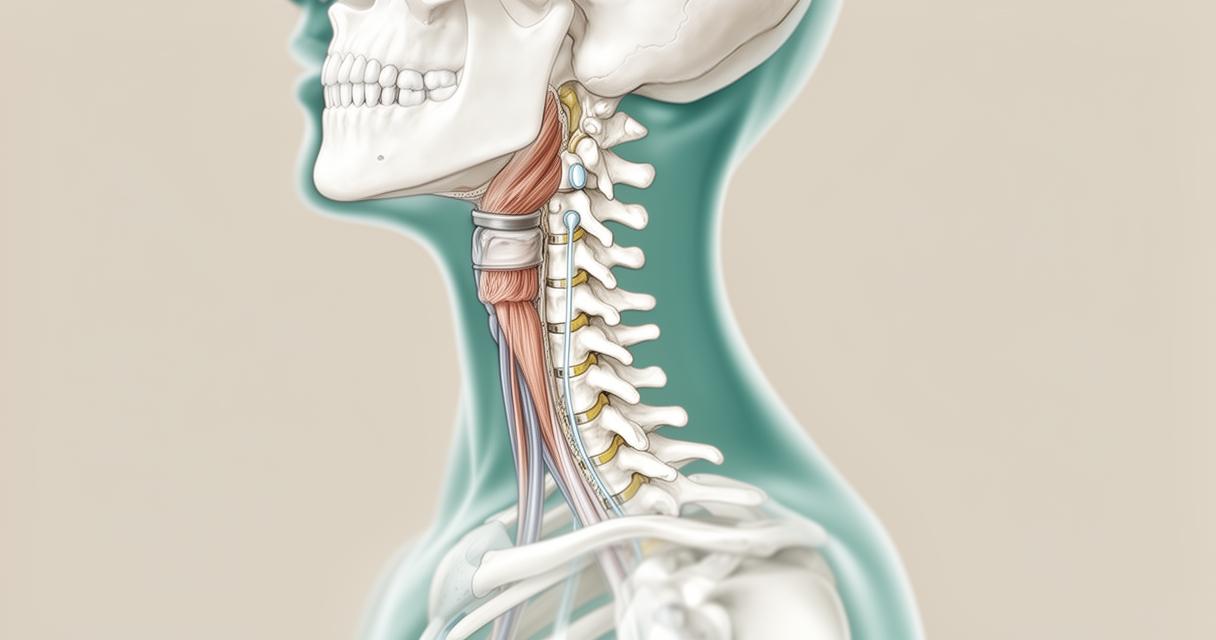
Degenerative changes in the spine are an inevitable aspect of growing older. As the body ages, the cervical discs gradually lose water content, diminishing their ability to absorb shock and maintain flexibility. This process, known as disc degeneration, can lead to reduced disc height and increased stress on adjacent vertebrae. Osteoarthritis, characterised by the breakdown of cartilage and the formation of bone spurs, often accompanies disc degeneration and further contributes to neck pain and stiffness. The interplay between these age-related changes creates a cycle of inflammation and discomfort that can be difficult to manage without appropriate interventions. Although these processes cannot be entirely halted, their impact can be lessened through targeted lifestyle modifications and therapeutic measures.
The Impact of Poor Posture and Lifestyle Habits on Disc Health
Modern lifestyles have introduced a host of habits that place undue strain on the cervical spine. Poor posture, particularly the forward head position adopted during prolonged screen time, significantly increases the load on neck structures. Studies have shown that heavy smartphone users, with 64.6% reporting neck pain, are particularly vulnerable to the effects of poor posture. The repetitive strain from looking down at devices, combined with long hours spent sitting at desks, can accelerate disc degeneration and exacerbate musculoskeletal complaints. Stress is another critical factor, as heightened muscle tension in response to emotional or physical stressors can worsen neck pain and contribute to chronic discomfort. Additionally, unsupportive sleep positions and heavy lifting place further demands on the cervical discs, creating a cumulative burden that may lead to injury or long-term damage. Avoiding these detrimental habits and adopting proactive measures are essential steps in preserving disc health and preventing the escalation of symptoms.
Alternative and Conservative Treatment Approaches for Cervical Discopathy
While surgical intervention may be necessary for severe cases, a broad range of alternative and conservative treatment options can effectively manage symptoms and improve function for many individuals. These approaches focus on strengthening the supporting musculature, optimising posture, and reducing inflammation through non-invasive means. By addressing the underlying causes of pain and discomfort, these methods offer a pathway to recovery that aligns with the body's natural healing processes.
Physical therapy, postural correction, and non-invasive interventions
Physical therapy stands out as a cornerstone of conservative care for cervical discopathy. Targeted exercises designed to strengthen the muscles that support the neck can significantly reduce pain and disability, as evidenced by research highlighting the measurable benefits of such interventions. Therapists often incorporate techniques to improve posture, as correcting alignment alleviates undue stress on the cervical discs and promotes long-term spinal health. Regular low-impact movement, such as gentle stretching and controlled strengthening exercises, is effective for maintaining neck flexibility and strength without exacerbating symptoms. Ergonomic adjustments to workspaces also play a vital role, as optimising desk height, monitor position, and seating can significantly reduce neck strain throughout the day. In addition to exercise and ergonomics, heat and cold therapy offer immediate relief by reducing inflammation and soothing tight muscles. Proper sleep support, particularly through the use of cervical pillows, prevents nighttime neck strain and ensures restorative rest. Stress management techniques, including deep breathing, mindfulness, and gentle yoga, address the psychological component of chronic pain, helping to break the cycle of tension and discomfort. Collectively, these strategies form a comprehensive approach to managing cervical discopathy that emphasises patient empowerment and active participation in care.
When to Consult a Healthcare Professional and Exploring Surgical Options
While conservative measures are effective for many, certain symptoms warrant prompt medical attention. Radiating neck pain that extends into the arms, numbness or tingling in the hands, and persistent headaches that do not respond to self-care are all indicators that professional evaluation is necessary. A healthcare professional can provide a thorough diagnosis, often employing imaging studies to assess the extent of disc degeneration or herniation. For individuals who do not respond to conservative care, minimally invasive procedures such as Deuk Laser Disc Repair offer an advanced alternative to traditional surgery. This technique boasts a 99% pain elimination rate and a remarkably low complication rate of 0.01%, with patients often able to resume normal activities on the same day. Such interventions are reserved for severe symptoms that persist despite comprehensive conservative treatment, underscoring the importance of exploring all non-surgical options first. Consulting with a qualified practitioner ensures that treatment plans are tailored to individual needs, balancing efficacy with safety and aligning with personal goals for recovery and quality of life.