

Using a front-loading washing machine might seem straightforward, but understanding the detergent drawer system can make a significant difference to your laundry results. Many people unknowingly use the wrong compartment or add excessive amounts of detergent, leading to residue on clothes and a buildup of grime inside the machine. Getting to grips with the correct method ensures your garments come out fresh and clean every time, whilst also prolonging the life of your appliance.
Understanding your front loader's detergent drawer system
Identifying the Three Compartments and Their Purposes
When you open the drawer of a typical front-loading machine, you will notice three separate sections, each designated for a specific purpose. The first compartment, often labelled with the Roman numeral one or a symbol depicting a garment submerged in water, is reserved for pre-wash detergent. This section should only be used when tackling heavily soiled items that require an extra cleaning stage before the main cycle begins. Adding detergent here without activating the pre-wash function simply wastes product and fails to deliver any benefit to your wash.
The second compartment, usually marked with the Roman numeral two, serves as the main wash area. This is the section you will use most frequently, and it is where both liquid and powder detergents should be placed for a standard wash. Understanding the detergent compartment for front load washing machine models is essential because placing your cleaning agent in the correct slot ensures it is released at the optimal moment during the cycle. Some machines feature a small flap within this compartment, which can be adjusted depending on whether you prefer powder or liquid formulations. When using laundry pods or sheets, it is generally recommended to place them directly into the drum rather than in the drawer, particularly if you are running a pre-wash cycle.
The third and smallest compartment is distinguished by a flower or asterisk symbol and is dedicated exclusively to fabric softener. This product is dispensed during the final rinse stage, ensuring that your clothes emerge soft and fragrant. It is crucial never to confuse this section with the detergent compartments, as placing detergent here will mean your laundry does not get cleaned properly and may end up covered in soapy residue. Each compartment plays a distinct role, and respecting these divisions is the key to achieving excellent washing results.
Matching the Correct Drawer to Your Wash Cycle
Selecting the appropriate compartment goes hand in hand with choosing the right wash cycle. For everyday loads that are moderately soiled, you will rely solely on the main wash compartment, marked with the Roman numeral two. There is no need to use the pre-wash section unless you are dealing with exceptionally dirty garments, such as those stained with mud or grease. Activating the pre-wash function without adding detergent to compartment one wastes water and energy, whilst adding detergent there without selecting the pre-wash cycle means the product will not be used at all.
Front-loading machines are designed to work with high-efficiency detergents that produce fewer suds than traditional formulations. Using a detergent intended for top-loading machines can result in excessive foam, which may prevent your clothes from being cleaned effectively and could even damage the appliance over time. Liquid detergents are particularly well-suited to front loaders because they dissolve quickly, even in cold water, reducing the risk of residue being left on fabrics. Powder detergents can also be effective, but they may leave behind traces if the water temperature is too low or if too much is used.
When using liquid detergent, pour it directly into compartment two, ensuring you measure the correct amount based on the size of your load, the level of soiling, and the hardness of your water. For a typical seven-kilogram load with medium water hardness, approximately one hundred and ten millilitres of liquid detergent is generally sufficient. Overloading the drawer with detergent does not improve cleaning performance and can lead to a buildup of soap scum inside the machine. Some advanced models, such as those from Electrolux, feature AutoDose technology, which automatically measures the load and dispenses the correct amount of detergent and softener, removing the guesswork entirely. Similarly, StainCare functions can detect dirt levels and adjust the cycle accordingly, ensuring optimal results every time.
Best Practices for Detergent Dispensing and Maintenance
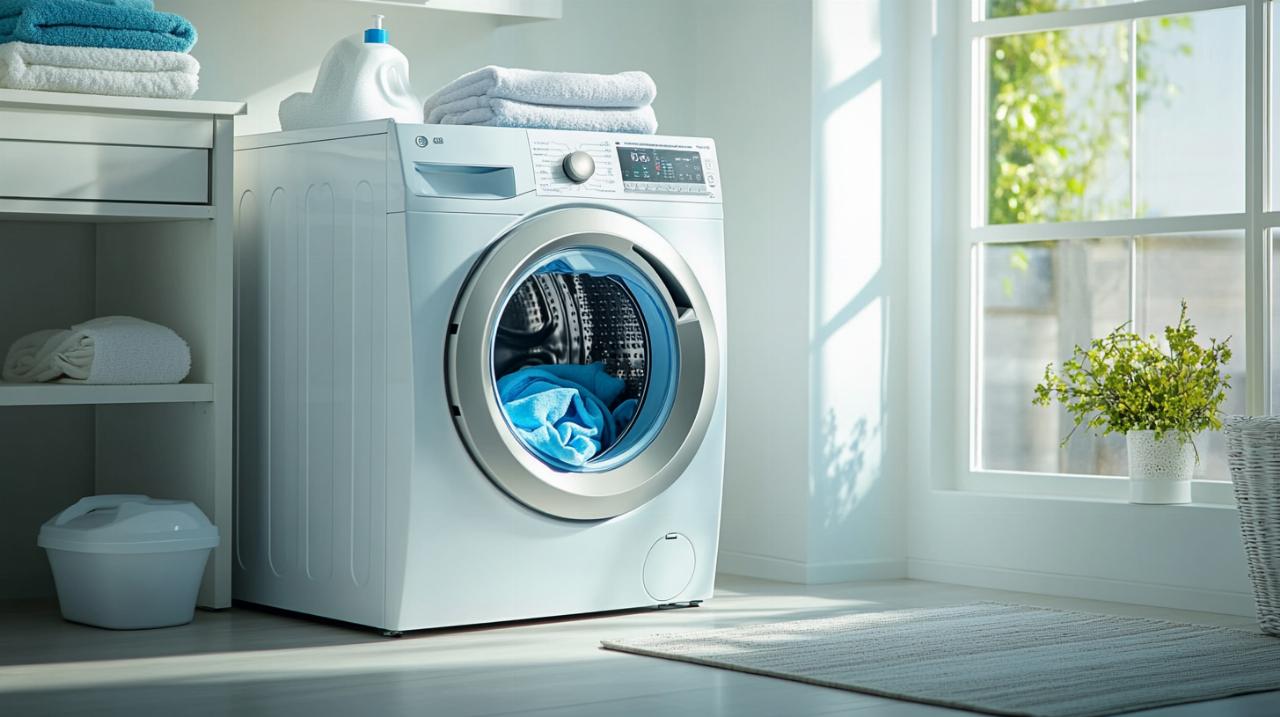
Using the Right Amount of Washing Powder to Avoid Residue
One of the most common mistakes when using a front-loading washing machine is adding too much detergent. Whilst it might seem logical that more product equals cleaner clothes, the opposite is often true. Excessive detergent creates surplus suds that are difficult to rinse away, leaving a sticky film on fabrics and inside the drum. This residue can trap dirt and bacteria, making your clothes smell musty even after washing. To avoid this, always follow the manufacturer's guidelines for dosage, which are typically printed on the detergent packaging.
The amount of detergent required depends on several factors, including the size of the load, how dirty the items are, and the hardness of your local water supply. Hard water requires slightly more detergent to achieve the same cleaning effect as soft water, but it is important not to go overboard. Measuring your detergent accurately, whether using a cap, scoop, or dosing ball, ensures consistency and prevents waste. If you prefer using a dosing ball for liquid detergent, fill it according to the instructions and place it directly in the drum alongside your laundry. This method can help distribute the detergent more evenly and reduce the chance of residue forming in the drawer itself.
Cold water washing has become increasingly popular due to its energy-saving benefits, but it can pose challenges for powder detergents, which may not dissolve completely at lower temperatures. Liquid formulations are generally more reliable in cold water and are less likely to leave white streaks or clumps on dark fabrics. Regardless of the type of detergent you choose, using the correct amount is crucial for maintaining both the cleanliness of your clothes and the health of your washing machine.
Regular Cleaning and Care of Your Dispenser Drawer
Even when you use the correct compartments and measure your detergent carefully, the dispenser drawer can become a breeding ground for mould and mildew if not cleaned regularly. Residual detergent, fabric softener, and moisture combine to create a sticky film that attracts dirt and bacteria. Over time, this buildup can clog the compartments, preventing products from being dispensed properly and leading to unpleasant odours. To keep your machine in top condition, it is recommended to remove and clean the drawer at least once a month.
Most front-loading machines allow you to pull the drawer out completely by pressing a small release button or lever. Once removed, rinse the drawer under warm running water, using an old toothbrush or soft cloth to scrub away any stubborn residue. Pay particular attention to the corners and grooves where grime tends to accumulate. If the buildup is severe, soak the drawer in a solution of warm water and white vinegar for around thirty minutes before scrubbing. This will help dissolve any hardened deposits and eliminate any lingering smells.
In addition to cleaning the drawer itself, do not forget to wipe down the cavity inside the machine where the drawer sits. This area can also collect detergent and softener residue, which may drip back onto your laundry or cause the drawer to stick. A damp cloth is usually sufficient for this task, but for more persistent grime, a mild solution of bicarbonate of soda and water can be very effective. Once everything is clean and dry, reinsert the drawer and run an empty hot water cycle with a washing machine cleaner every two to three months. This maintenance routine removes any lingering buildup from the drum and pipes, ensuring your machine continues to perform at its best and your clothes always emerge looking and smelling fresh.