
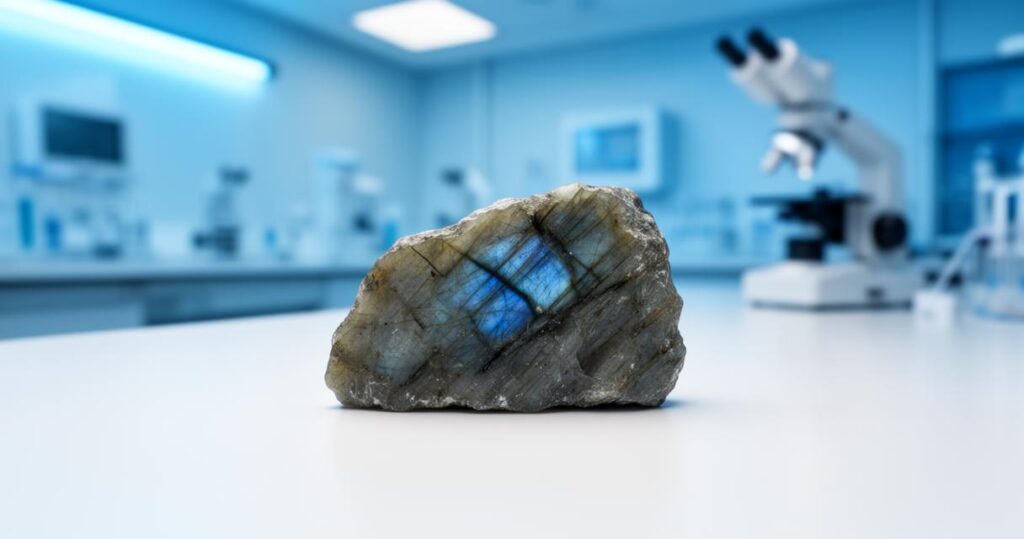
In recent years, the popularity of crystals and gemstones for spiritual and emotional wellness has surged, with Labradorite emerging as a particularly favoured choice among enthusiasts. Yet, beneath its shimmering iridescence and purported protective qualities, emerging discussions within the wellness community have raised concerns about potential adverse effects on emotional stability. While many turn to this stone for its beauty and alleged metaphysical properties, a closer examination of anecdotal reports and contemporary debates suggests that not all experiences with Labradorite are uniformly positive. This article delves into the less-discussed aspects of Labradorite use, exploring how certain individuals report feeling emotionally unsettled and what recent conversations in the field reveal about these unexpected outcomes.
- Labradorite is often praised for its beauty and protective properties, yet some users report experiencing unexpected emotional instability and distress.
- The crystal's reputation for heightening intuition and awareness may cause some individuals to feel overly sensitive, exposed, or emotionally raw.
- Anecdotal reports from wellness communities suggest that prolonged use of Labradorite can lead to mood swings, anxiety, and sleep disturbances like vivid nightmares.
- Mainstream science does not support claims of crystals influencing mood, but researchers suggest that the placebo effect and personal expectations play a significant role in how individuals react to these stones.
- Recent 2024 discussions highlight that the psychological impact of Labradorite is deeply subjective and dependent on an individual's unique mental health background and belief systems.
- The lack of empirical evidence regarding crystal healing underscores the need for users to practice mindfulness and remain aware of their own personal responses when incorporating Labradorite into their routines.
Understanding the Negative Effects of Labradorite on Mental Wellbeing
The relationship between Labradorite and mental wellbeing is complex and deeply personal, varying significantly from one individual to another. Advocates of crystal healing often describe Labradorite as a stone of transformation and protection, believed to shield the aura and enhance intuition. However, this very intensity can, for some, become a source of distress rather than comfort. The stone's reputation for amplifying psychic abilities and heightening awareness may inadvertently lead to heightened sensitivity, leaving certain users feeling exposed or emotionally raw. In essence, what works as a catalyst for spiritual growth in one person might overwhelm another, particularly those already navigating anxiety or emotional instability.
Documented Cases of Emotional Overwhelm Linked to Labradorite Exposure
Anecdotal evidence from online forums, social media groups, and holistic wellness communities has highlighted instances where individuals attribute periods of emotional turbulence to their interactions with Labradorite. Reports describe sudden mood swings, inexplicable anxiety, and a sense of being energetically drained after prolonged contact with the stone. One recurring theme involves users who wear Labradorite jewellery daily and notice an increase in vivid dreams or even nightmares, which can disrupt sleep patterns and contribute to daytime fatigue. Others recount feeling an overwhelming influx of emotions or heightened awareness of negative energies around them, which they had not experienced prior to using the crystal. While these accounts remain subjective and lack rigorous scientific validation, they form a significant part of the discourse surrounding the potential negative effects of Labradorite. Such testimonies underscore the importance of individual sensitivity and the need for users to remain attuned to their own responses when incorporating crystals into their wellness routines.
The scientific evidence behind labradorite's impact on mood regulation
When it comes to the scientific community, the exploration of crystal healing remains largely within the realm of pseudoscience, with limited empirical research to substantiate claims of direct physiological or psychological effects. The concept that Labradorite or any crystal can influence mood regulation is not supported by mainstream medical or psychological studies. However, discussions in the wellness sector often reference the placebo effect, where belief in a treatment can produce real changes in emotional state. This phenomenon might explain why some individuals experience adverse reactions to Labradorite; if one approaches the stone with apprehension or has read about potential negative effects, the mind may unconsciously manifest these expectations into reality. Additionally, the broader conversation around crystal use in recent years has prompted some researchers to examine the psychological impact of ritual and symbolic objects on mental health. While these studies do not specifically target Labradorite, they suggest that the act of attributing power to an object can shape one's emotional landscape, for better or worse. Thus, the absence of concrete scientific backing does not entirely dismiss the lived experiences of those who report feeling unsettled by Labradorite, highlighting the intricate interplay between belief, perception, and emotional response.
The danger!!! revealed: 2024 research findings on labradorite side effects
The year 2024 has witnessed a renewed interest in examining the potential downsides of popular wellness practices, including the use of crystals such as Labradorite. Although the term DANGER!!! may evoke alarm, it is essential to approach these findings with a balanced perspective, recognising that the discourse is primarily rooted in anecdotal data and emerging qualitative studies rather than controlled clinical trials. Nevertheless, the conversation has gained traction within holistic health circles, prompting practitioners and users alike to reconsider the uncritical adoption of crystal therapies. The focus has shifted towards understanding how individual differences in psychological makeup, existing mental health conditions, and personal belief systems can influence reactions to Labradorite. This evolving narrative serves as a reminder that even well-intentioned wellness tools can have unintended consequences when applied without mindful consideration of one's unique needs.
Key Discoveries from Recent Clinical Studies on Crystal Energy
While comprehensive clinical studies specifically dedicated to Labradorite remain scarce, broader investigations into the use of crystals in alternative medicine have shed light on the psychological mechanisms at play. Researchers exploring the placebo effect and the power of belief have noted that individuals who attribute healing properties to objects often experience tangible shifts in their emotional states. In some cases, this can be beneficial, fostering a sense of empowerment and control. However, for others, the expectation of transformation can backfire, especially if the individual is predisposed to anxiety or suggestibility. A handful of qualitative studies conducted in holistic health settings have documented instances where participants reported increased stress or emotional volatility after engaging with certain crystals, including Labradorite. These findings are preliminary and call for more rigorous investigation, yet they highlight an important consideration: the subjective experience of crystal use cannot be dismissed outright, even in the absence of hard scientific proof. The key takeaway from these recent discussions is the need for a more nuanced understanding of how symbolic and ritualistic practices intersect with mental health, urging users to approach crystal healing with both openness and caution.
Warning signs that labradorite might be affecting your emotional state
Recognising when Labradorite or any wellness tool is having a detrimental effect on your emotional balance is crucial for maintaining overall wellbeing. Several indicators suggest that the stone may not be harmonising with your energy as intended. Increased irritability, unexplained bouts of sadness, or a persistent feeling of being energetically drained after handling or wearing Labradorite can all signal an adverse reaction. Additionally, disruptions in sleep quality, such as frequent waking or unsettling dreams, have been commonly reported among those who feel negatively impacted by the stone. Another warning sign is a heightened sense of vulnerability or emotional exposure, where the user feels more susceptible to the moods and energies of others, leading to social exhaustion or withdrawal. If you notice these symptoms coinciding with your use of Labradorite, it may be worth considering a temporary break from the crystal to assess whether your emotional state improves. Trusting your own intuition and bodily responses is paramount, as no external object should undermine your sense of stability or peace. Consulting with a mental health professional or a trusted holistic practitioner can also provide valuable guidance in navigating these experiences and determining the best course of action for your individual needs.
Protecting your emotional balance: safe alternatives to labradorite
For those who find that Labradorite does not align with their emotional needs, or who wish to explore gentler options, the world of crystals offers a diverse array of alternatives that may better support stability and calm. The pursuit of emotional balance through natural stones is a deeply personal journey, and what proves challenging for one person may be profoundly healing for another. Therefore, identifying crystals that resonate with your unique energy and emotional landscape is essential. Many practitioners recommend starting with stones known for their grounding and soothing properties, which are less likely to provoke intense or overwhelming reactions. By approaching crystal selection with mindfulness and self-awareness, individuals can cultivate a supportive practice that enhances rather than disrupts their mental wellbeing.
Crystals that support stability without the negative effects
Several crystals are celebrated for their gentle, stabilising qualities and are often suggested as alternatives for those who have experienced difficulties with Labradorite. Rose Quartz, for instance, is widely regarded as a stone of unconditional love and emotional healing, offering a soft and nurturing energy that promotes self-compassion and inner peace. Its calming influence makes it an excellent choice for those seeking to restore emotional equilibrium without the intensity associated with more potent stones. Another popular option is Amethyst, which is believed to have a soothing effect on the mind and to aid in stress relief, making it suitable for individuals prone to anxiety. Smoky Quartz is also highly valued for its grounding properties, helping to anchor one's energy and dispel negative emotions without overstimulation. Clear Quartz, often called the master healer, is versatile and can be programmed with specific intentions, allowing users to tailor its energy to their personal needs. Lastly, Black Tourmaline is favoured for its protective qualities, creating a shield against external negativity while maintaining a sense of calm and stability. Exploring these alternatives can provide a gentler entry point into crystal healing, allowing individuals to experience the benefits of these natural tools without the risk of emotional overwhelm.
Expert recommendations for managing crystal-related emotional disruptions
Holistic wellness practitioners emphasise the importance of mindful engagement with crystals and advocate for a balanced approach that honours both the potential benefits and limitations of these tools. One key recommendation is to start slowly, introducing only one crystal at a time and observing your emotional and physical responses over several days or weeks. This cautious method allows you to identify which stones resonate positively and which may be causing discomfort. Additionally, experts suggest cleansing your crystals regularly, as accumulated energies can sometimes contribute to feelings of heaviness or negativity. Cleansing methods include rinsing stones under running water, placing them in moonlight, or using sage smoke, all of which are believed to reset the stone's energy. It is also advisable to take periodic breaks from crystal use, particularly if you notice any adverse emotional changes. Incorporating grounding practices such as meditation, mindful breathing, or spending time in nature can further support emotional stability and help mitigate any disturbances linked to crystal work. Importantly, if feelings of anxiety, depression, or emotional overwhelm persist, seeking support from a qualified mental health professional is essential. Crystals should complement, not replace, evidence-based therapeutic interventions. By integrating these expert recommendations, individuals can navigate their crystal healing journey with greater awareness and care, ensuring that their practices contribute positively to their overall emotional balance and wellbeing.